
Request a quote

Be contacted by a TASO counselor

    I would like to be contacted by:

    Send
    photo of a lake, mountains, and forest

    Algae & cyanobacteria

    Persistent green water, filamentous mats, surface scum, or health alerts related to cyanobacteria are not merely cosmetic issues. They are indicators of biological and physicochemical dysfunction in the water body.

    For managers, these developments have immediate and measurable consequences:

    • restrictions on water sports
    • sealing hydraulic systems for farmers and ski resorts,
    • decline in the site's appeal

    The control of algae and cyanobacteria is therefore a public health, regulatory, and economic challenge, which requires more than a one-off or curative response.

    Our products
    Cyanobacteria 1

    Understanding
    the imbalance

    Algal blooms are the visible expression of a well-known process: eutrophication. An excess of nutrients, mainly nitrogen and phosphorus, accumulates in the water and sediments.

    Under the influence of heat, light, and stagnation, this excess becomes a resource that opportunistic organisms can exploit.

    Cyanobacteria have a decisive biological advantage. Thanks to their gas vesicles, they can adjust their position within the water column to capture both surface light and available nutrients. This ability allows them to rapidly dominate the environment, eliminate competition, and lock in the ecosystem for their own benefit.

    As long as the structural causes of the imbalance are not addressed, any intervention remains temporary.

    Why do traditional solutions
    fail

    • Traditional approaches rely primarily on chemical treatments or one-time interventions. While they may produce quick visual results, their actual effectiveness is short-lived.
    • Algaecides cause sudden cell death, leading to the immediate release of toxins into the water. The dead biomass settles to the bottom, decomposes, and releases the nutrients responsible for the bloom once again. The problem is merely shifted, never solved.
    • These methods also weaken natural regulatory mechanisms, reduce the environment’s resilience, and lead to chronic dependence on treatments.

    The answer
    taso

    At TASO, we don't just intervene to eliminate algae. We intervene to restore the conditions in which they can no longer proliferate.

    Our approach is based on a global reading of the body of water: hydraulic functioning, nutrient load, thermal stratification, uses, regulatory constraints. Each protocol is designed to act simultaneously on the present and on the future dynamics of the environment.

    We combine two complementary approaches:

    • targeted physical action to halt the ongoing spread,
    • sustainable biological control to prevent their recurrence.

    It is this approach—focused on management rather than eradication—that makes all the difference.

    Request a quote
    Cyanobacteria 2

    Our technologies
    & products used

    TASO solutions are never used in isolation. They are integrated into a coherent protocol tailored to the site’s configuration.

    Targeted ultrasound treatment

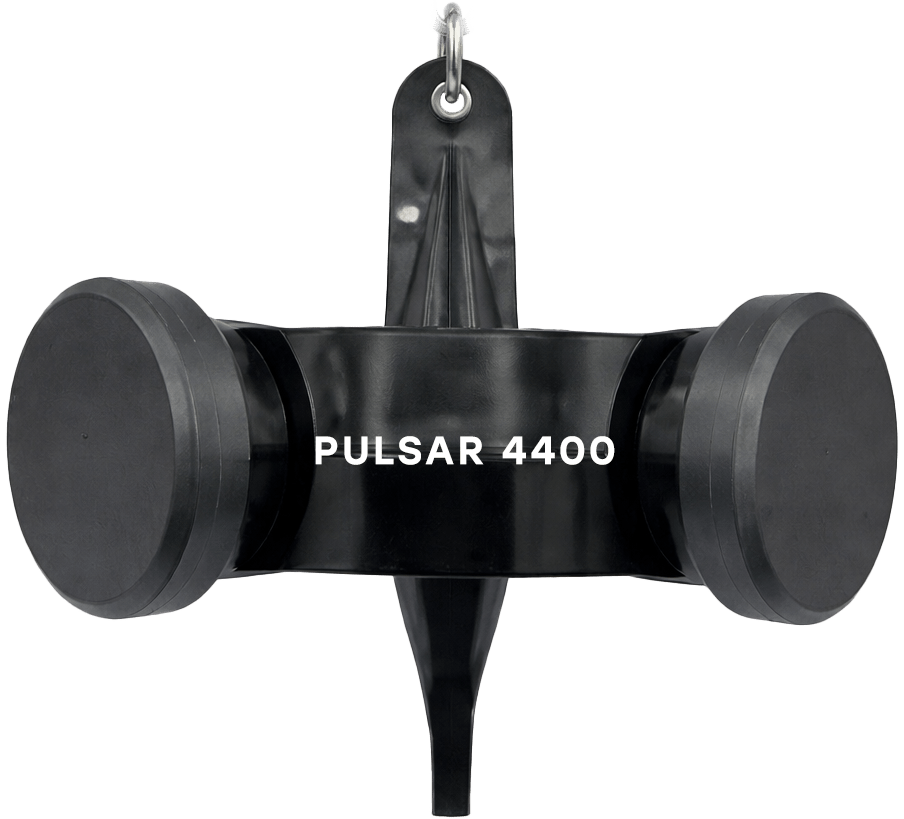
    The PULSAR 4400 and Cyanobox ultrasonic systems act directly on the internal structure of algae and cyanobacteria. By disrupting their buoyancy, they interrupt their access to light and stop their development without introducing any substances into the water.

    Biological enhancement of the environment

    The biological solutions ALGIBIO and CYANOCLINE strengthen natural competition within the environment. By consuming available nitrogen and phosphorus, they sustainably reduce the resources needed for algal growth.

    Selective light filtration

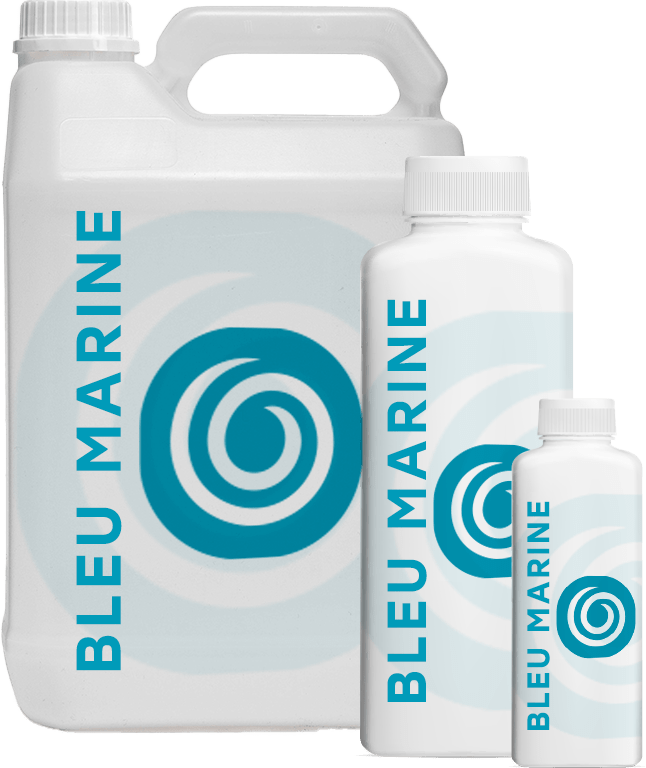
    When the context is suitable, the optical solution Bleu marine makes it possible to limit photosynthesis by filtering certain wavelengths, while improving the visual appearance of the body of water.

    The challenge is not to multiply products, but to intelligently combine the right levers.

    Find a dealer near you
    Cyanobacteria 3

    Benefits
    for the manager

    This approach ensures long-term water safety by significantly reducing the risks of toxicity and regulatory shutdowns. It allows for the continued use of the water body without interruption, without a waiting period, and without operational restrictions.

    In the long term, restoring the biological balance reduces the frequency of emergency interventions, stabilizes management costs, and enhances the site’s environmental and regulatory standing.

    The answer
    to your questions

    How can I tell if my body of water is at risk of cyanobacterial blooms?

    The presence of persistent green algae, surface scum, unusual odors, or fish kills is a warning sign. TASO conducts a precise identification of the organisms involved in order to assess the actual risk and adjust the protocol accordingly.

    Do TASO solutions permanently replace chemical treatments?

    Yes, in most cases. Our approach aims to move away from a reliance on repetitive treatment and instead establish a sustainable management system that meets current environmental standards.

    When is the best time to take action to be effective?

    Action can be taken at any time of year, but the best results are achieved when the strategy is planned in advance, before temperatures peak. It is this foresight that helps prevent crises.

    Every algal bloom is different.

    Incorrect identification or sizing can have a lasting negative impact on results.

    Before taking any action, TASO experts analyze your body of water and determine the strategy best suited to your technical, regulatory, and budgetary needs.

    Request an assessment