
Request a quote

Be contacted by a TASO counselor

    I would like to be contacted by:

    Send
    Illustration of green water

    Clogged suction strainers

    clogged suction strainers 1 1

    What you see

    Your water supply is becoming unstable and requires repeated manual adjustments. The signs are immediate and obvious:

    • Frequently clogged strainer: As soon as the pump starts, the strainer quickly becomes clogged with algae, debris, or silt. The flow rate drops, and suction becomes irregular.
    • Low water pressure: Water is having difficulty reaching the system (sprinklers, hydrants), and the pump cycles are getting longer to compensate.
    • Compact organic matter: Every time you clean, you’ll find a dense, sticky mixture consisting of filamentous algae, duckweed, biofilm, and fine aggregated particles.
    • Tripped safety devices: The pump goes into "low water" mode or trips the circuit breaker even though the pool level is completely normal.


    What this means

    A clogged strainer is almost never a mechanical or grid sizing problem. It is a biological indicator revealing a global imbalance in your body of water. In 90% of cases, TASO identifies an obstruction due to three major phenomena:

    1. The "Comb" effect of filamentous algae: The strainer acts like a rake. It sucks up and retains all the filaments suspended in the water column. They interlace in the mesh and form a compact felt (mat) that instantly blocks water intake.
    2. Floating overload and micro-debris: Duckweed, azolla, water hyacinth fragments, biofilm, and pollen gather on the surface. The suction current creates a "collection zone" (vortex) that concentrates all this floating biomass on the strainer in a few minutes.
    3. Siltation (Sedimentation): If the strainer is placed too close to the bottom or in a silty area, the pump resuspends soft silt and organic matter. This viscous mixture instantly clogs the filter surface, much faster than sand.

    Conclusion: Repeated obstruction indicates an excess of biomass and sediment instability. Cleaning the grate only addresses the symptom, not the cause.

    clogged suction strainers 2 1

    Need to confirm the issues with your body of water?

    Contact a TASO expert

    Why act now?

    A clogged strainer poses a direct hydraulic and energy risk to operations:

    • Electrical overuse: A pump struggling to draw through a clogged screen immediately sees its amperage increase.
    • Cavitation and premature wear: Restricted suction causes pressure drops, vibrations, and micro-implosions (cavitation) that destroy pump impellers.
    • Disrupted operation: Insufficient flow rates, un-irrigated golf course areas (dry patches), or industrial processes stopped.
    • Heavy maintenance: The burden of daily manual cleaning or diving operations weighs on the teams.

    The TASO Solution
    Purify the water and secure the suction area

    TASO addresses the root cause of clogging upstream, before it reaches the strainer.

    1

    Stabilization and clarification (Biological + Mineral)

    We reduce the amount of "substances" in the water.

    The action: Our specialized bacteria (Biolimpid) digest dissolved organic load and biofilm. Nautex stabilizes sediments to prevent them from being sucked up.

    The result: Clearer water, less loaded, therefore much easier to vacuum.

    2

    Control of floating debris and algae (Ultrasound + Optics)

    We prevent traffic jams from forming.

    The action: Ultrasound prevents the development of filamentous algae around the water intake. Optical filtering (Bleu marine) reduces surface blooms (lentils).

    The result: Less biomass available in the suction zone.

    Products
    & Related Solutions

    To ensure the long-term security of your water systems:

    Cyanobox

    Cyanobox

    the large-scale standalone solar power station
    Learn more
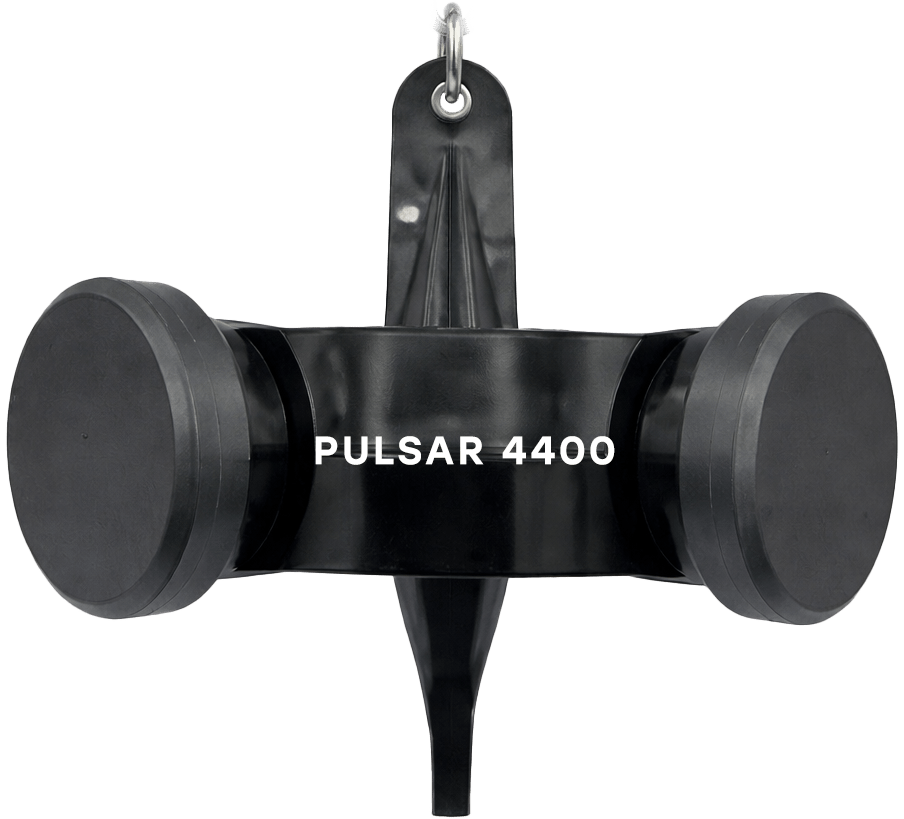
    Pulsar 4400

    Ultrasons Pulsar 4400

    High-power ultrasound technology.
    Learn more
    Biolimpid

    Biolimpid

    Biological sedimentation
    Learn more

    Need a study?

    Each protocol is tailored to the initial assessment, the characteristics of the body of water, and its intended uses.

    Request an assessment