Request a quote

Illustration of green water

Invasive aquatic plants

Understanding the spread and restoring a controlled environment

invasive aquatic plants 1 1

What you see

Dense vegetation covers the entire body of water, sometimes reaching all the way to the surface.

Certain species clearly dominate the environment:

  • Myriophyllum (from Brazil): Light green plant with very fine foliage, rapidly forming dense carpets that can reach the surface.
  • Heterophyllous: Invasive species with robust stems, capable of rapidly colonizing a body of water and forming dense meadows.
  • Elodea: Fast-growing submerged plant, recognizable by its flexible stems and strong propagation capacity.
  • Hornwort: Unrooted plant developing directly in water, creating thick vegetation masses when it proliferates.
  • Spiked water-milfoil: A rooted plant identifiable by its erect stems whose spikes emerge above the water in the summer.

Result: Navigation is blocked (propellers caught), fishing is impossible (lines snagged), and swimming areas are closed. Often, the water between the poles remains crystal clear. This is a misleading sign that the problem isn’t due to water quality, but to the light reaching the bottom.

What this means

You are not facing algae, but a proliferation of macrophytes: higher aquatic plants, with roots, stems, and leaves.

Unlike floating algae, these plants take root in the sediment. Their rapid growth indicates a specific condition known as the “aquatic greenhouse effect”:

  1. Excessive transparency: The water allows UV rays to penetrate all the way to the bottom of the pool.
  2. Nutrient-rich sediment: Silt acts as a nutrient-rich growing medium for roots.

When an invasive species (often an exotic one) establishes itself in these ideal conditions, it drives out local biodiversity through competition and monopolizes space and light.

invasive aquatic plants 2 1

Need to confirm the issues with your body of water?

Contact a TASO expert

Why act now?

The impacts go beyond mere visual nuisance. An invasion of macrophytes poses a structural threat to the body of water:

  • Nocturnal Asphyxia: At night, this plant biomass respires and consumes massive amounts of oxygen, causing fatal hypoxia for fish in the early morning.
  • Accelerated Silting: In winter, these tons of plants die and decompose at the bottom. They create a new layer of silt each year, accelerating the aging and silting up of the site.
  • Hydraulic Risk: In rivers or canals, these dense aquatic plants slow down water flow, considerably increasing the risk of upstream flooding during high water levels.

The TASO Solution
Control light & inhibit growth

Mowing (mechanical cutting) is a necessary part of managing water bodies, but it must be supplemented by inhibiting photosynthesis.
TASO targets the vital mechanism of these plants: light.

1

Benthic barrier (Physical action)

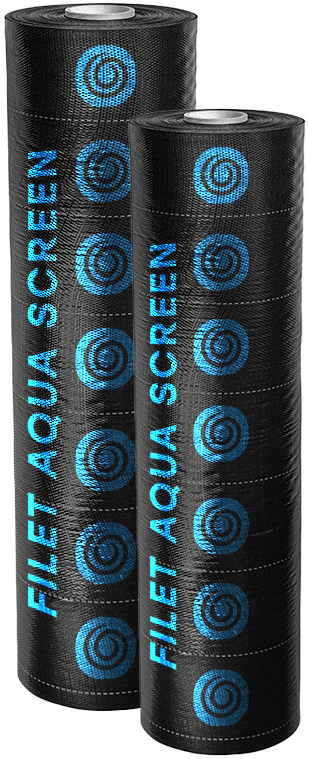
For specific areas (beaches, piers, water intakes), we install specialized benthic screens (Aquascreen). Placed on the seabed, they provide complete coverage at the root level.
Unlike plastic tarps that degrade the seabed, our fiberglass screens are gas-permeable. They allow the sediment to “breathe” while physically preventing regrowth.

2

Light filtration

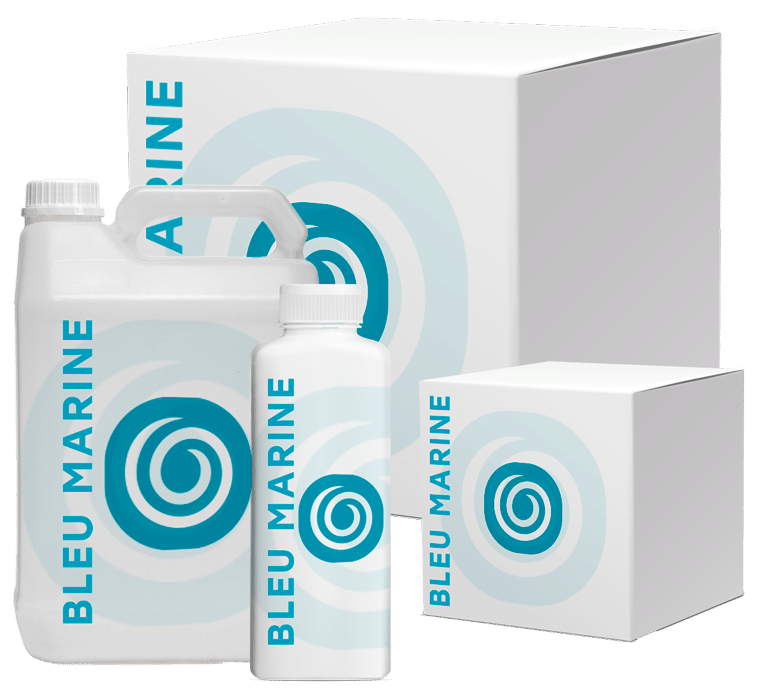
For large volumes, we apply a selective dye (Bleu Marine) that acts as a UV filter. It specifically filters out the wavelengths of the light spectrum necessary for photosynthesis. Deprived of sunlight at depth, the plants wither and naturally die off.

Products
& Related Solutions

Bleu marine

Bleu Marine

The combination of aesthetics and biological regulation
Learn more
Filet aqua screen

Filet aqua screen

A sustainable mechanical solution against invasive aquatic plants
Learn more

Need a study?

Each protocol is tailored to the initial assessment, the characteristics of the body of water, and its intended uses.

Request an assessment