
Eutrophication, Algae, and Global Warming: Exploring the Links and Ecological and Economic Impacts
Written by:
Last modified:
Reading time:
Article Outline
- Understanding eutrophication and cyanobacteria blooms
- Climate warming accelerates the development of algae
- The ecological and economic consequences of toxic algae
- What solutions are there to limit the eutrophication of water bodies?
- Sustainably preserve aquatic ecosystems
- Need more information or have a question?

Does your pond need professional care?
Understanding eutrophication and cyanobacteria blooms
We saw it in recent months and more particularly this summer, the heat intense and the episodes of heatwaves that we have observed resulted in accelerating the development of phenomena ofeutrophication. In a context of climate change recent, the aquatic ecosystems of the world are facing growing challenges. theeutrophication, phenomenon resulting from an excess of nutrients such asnitrogen and the phosphorus in bodies of water, is increasingly associated with the effects of climate change. The algae and the cyanobacteria, of microorganisms present naturally in the aquatic environments, take advantage of these favorable conditions and proliferate at an alarming rate.
These organisms feed on nutrients present in the water, such as the phosphates and the nitrates coming from the fertilizer agricultural, of wastewater and of runoff of soils. thetemperature increase water also promotes the algae development and some cyanobacteria. this proliferation ofalgae and of cyanobacteria can have consequences harmful on water quality and life aquatic.
Climate warming accelerates the development of algae
Indeed, these microorganisms consume the dissolved oxygen in the water, thus leading to a decrease in the amount of oxygen available for fish and other aquatic organisms. Furthermore, certain species of algae and cyanobacteria can produce toxins, making the water toxic for fauna, flora, and even for humans.
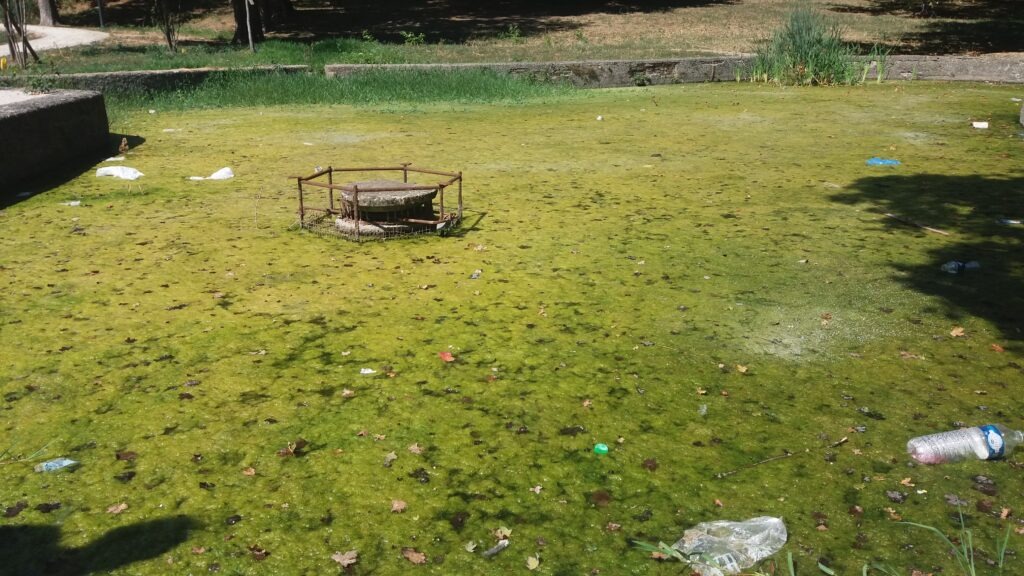
Eutrophication and Algae. a fragile balance theeutrophication, amplified by the human activities such as agriculture andurbanization, results in theexcessive accumulation of nutrients in bodies of water. The nitrates and phosphates in excess act as fertilizers, promoting the prolific growth of algae. these rugs ofalgae restrict light and theoxygen, stifling the aquatic biodiversity and unbalancing the ecosystems.
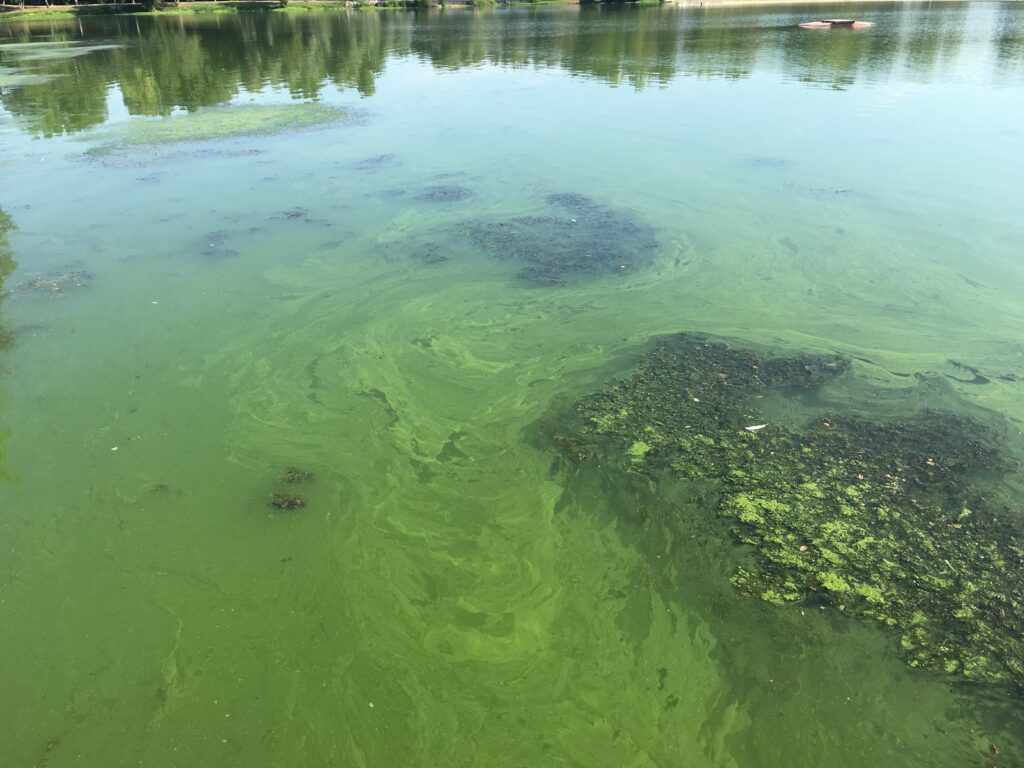
Chemical factors accelerating eutrophication. Eutrophication is not only driven by human activities, but also by complex chemical reactions in water bodies. Sediments and aquatic soils interact with nutrients, releasing more phosphates and nitrates into the water. These chemical processes enhance the proliferation of algae, thus contributing to eutrophication.
Cyanobacteria and Climate Warming. A Double Impact. Cyanobacteria, often called blue-green algae, are particularly affected by water warming. High temperatures encourage their blooming, leading to cyanobacteria blooms that are harmful to human health and animal health.
The ecological and economic consequences of toxic algae
Climate change exacerbates this phenomenon, threatening water quality and the stability of ecosystems. Global warming acts as a catalyst for theeutrophication and the proliferation of algae. The waters more hot prolong the periods of algae growth, amplifying their impact on water bodies. Extreme weather events, such as rains abundant, intensify the washing out of nutrients in watercourses, aggravating theeutrophication.
Bathing water bodies have been largely affected by this phenomenon of algae and cyanobacteria development. Bathing closures have followed one another, and local authorities are forced to lay off lifeguards. Beyond the ecological impact, it is the economic impact of the bathing ban that is very problematic for town halls and local authorities such as inter-municipal communities and departmental councils.
Indeed, the closure of a swimming area has a particularly negative effect on the economic activity resulting from the tourist attractiveness of a body of water. No more swimming and businesses see their turnover plummet. Restaurants, hotels, municipal campsites, or private campsites see their attendance decrease, and ultimately, it is the municipality that does not collect tourist taxes or tax revenues.
What solutions are there to limit the eutrophication of water bodies?
Faced with these challenges, solutions are needed to preserve our aquatic ecosystems. Reducing discharges of nutrients from human activities is essential.
To treat cyanobacteria and limit their proliferation, several solutions exist. First, it is essential to reduce nutrient inputs into bodies of water. This involves more responsible management of wastewater, treating it properly before discharging it into waterways.
It is also important to limit the use of agricultural fertilizers containing phosphates and nitrates, which then end up in aquatic environments. Sustainable agricultural practices, restoration of wetlands, and adoption of innovative technologies, such as natural filtration systems, can help reduce eutrophication.
Filtration of water is another effective solution for eliminating undesirable micro-organisms such as algae and cyanobacteria. Adequate filtration retains suspended particles, including micro-algae, and thus improves water quality.
In some cases, it may also be necessary to treat the water with specific products to eliminate the toxins produced by cyanobacteria. Public awareness plays a crucial role. By educating communities about the sources of nutrients and the consequences of eutrophication, we can encourage environmentally friendly practices.
Sustainably preserve aquatic ecosystems
Research and regular monitoring of water bodies are also essential for adapting our management strategies. Eutrophication, algal blooms and cyanobacteria development, and water warming are interconnected issues that require collective action.
Eutrophication is a worrying environmental phenomenon that affects aquatic environments on a global scale. They naturally tend to become eutrophic, but the appearance of toxic algae is due to over-fertilization of water, mainly from nitrogen and phosphorus inputs, particularly from agricultural phosphate fertilizers.
This phenomenon results in an increase in nitrate levels, promoting the growth of microalgae, including the cyanobacteria toxic. These can form algal blooms, thus contributing to the proliferation ofalgae pests in the aquatic environments.
Ultimately, understanding the mechanisms related toeutrophication, including the nitrate level, the cyanobacteria toxic, the decrease in the rate ofdissolved oxygen, and the effects on the environment, is essential for the preservation of our aquatic environments and the management of nutrients in the inland waters.
Share this article

Related topics
Need more information or have a question?
Our dedicated team will get back to you as soon as possible.