
Request a quote

Be contacted by a TASO counselor

    I would like to be contacted by:

    Send
    photo of a lake, mountains, and forest

    Siltation & Seabed Restoration

    Siltation is one of the most underestimated factors contributing to the degradation of water bodies. Although it is not immediately visible on the surface, it acts as a major obstacle to the proper functioning of the ecosystem.

    • Loss of effective depth,
    • smells of fermentation,
    • persistent cloudy water,
    • nutrient release,
    • drop in dissolved oxygen

    Silt gradually turns a body of water into an unstable system that is costly to maintain and difficult to manage.

    For managers, siltation is not just a matter of volume. It is a structural problem that directly affects water quality, biodiversity, and the sustainability of water uses.

    Our Products
    understanding imbalances and silting

    Understanding
    the imbalance

    The mud consists largely of organic matter: fallen leaves, plant debris, decomposed algae, and animal waste. In a healthy body of water, this material is gradually broken down by aerobic bacteria present in the sediment.

    When the inflow becomes too high or oxygen levels drop too low at the bottom, this mechanism breaks down.
    The sediment then shifts to anaerobic conditions.

    Under these conditions, biological digestion ceases. Organic matter ferments, producing toxic gases (methane, hydrogen sulfide), consuming available oxygen, and releasing phosphorus into the water. The sludge ceases to be a mere deposit; it becomes an active source of internal pollution.

    Why do traditional solutions
    fail?

    When faced with silting, the standard response is to take mechanical action.

    • Dredging does indeed restore depth temporarily, but at the cost of a major operation: partial or total draining, heavy machinery, destruction of the banks, complex management of the extracted sediment, and very high costs. Above all, it does not address the biological causes of siltation. Without addressing the sediment’s behavior, the silt will build up again.
    • Other methods rely on harsh chemical treatments, such as quicklime. While the visual effect is immediate, these practices sterilize the ecosystem at the bottom. The sediment loses its natural ability to self-purify and becomes even more vulnerable to future organic inputs.

    The answer
    taso

    The TASO approach is based on a simple principle: restoring the biological balance of the water body, rather than extracting or neutralizing it.

    We work directly in the water body, without major construction work, to restore the conditions necessary for the natural breakdown of organic matter. The goal is not to move the sediment, but to gradually transform it, reducing both its volume and its harmful effects.

    This strategy, known as bio-dredging or in situ bioremediation, is part of an approach to sustainable and controlled restoration.

    Request a quote
    Understanding Imbalances and Silting 2

    Our technologies
    & products used

    Site restoration relies on a carefully tailored combination of approaches, adapted to each site’s specific conditions.

    Mineral stabilization of sediments

    Mineral conditioning with NAUTEX helps stabilize the sediment. By adjusting the pH and altering the structure of the mud, it improves the permeability of the seabed and promotes the gas exchange essential for bacterial life.

    Biological sludge digestion

    The BIOLIMPID solution provides microorganisms selected for their ability to break down organic matter. These bacteria restart sludge mineralization and gradually reduce the thickness of the activated sludge layer.

    Active bottom aeration

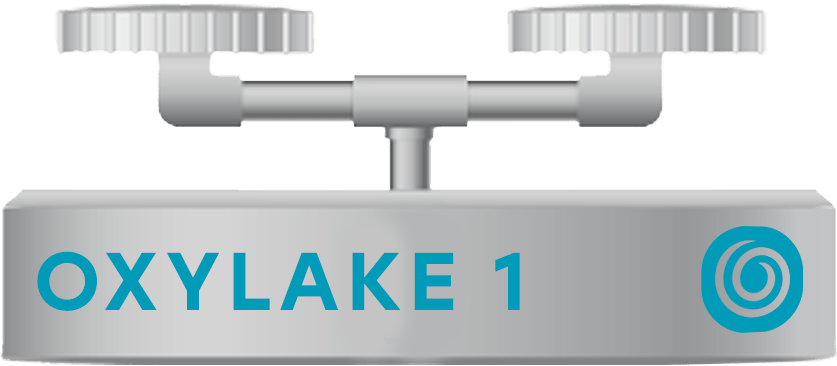
    The OXYLAKE bottom aeration system plays a key role. By delivering oxygen directly to the water-sediment interface, it removes the main limiting factor in biological digestion and prevents the return of anaerobic conditions.

    This is not a one-time fix, but rather a way to manage the fund’s operations.

    Find a dealer near you
    understanding imbalance and silting 3


    Benefits for the manager

    This approach allows work to proceed without interrupting the site's operations. The water body remains filled with water, accessible, and fully functional throughout the treatment process.

    Odor problems are quickly eliminated, the water column clears up, and the environment’s self-purification capacity is restored.
In the long term, the reduction in sediment limits the release of nutrients and reduces the risk of algal blooms.

    For the manager, this is an economically sound solution that is environmentally responsible and consistent with the sustainable management of aquatic resources.


    's answer to your questions

    Can all bodies of water benefit from bio-dredging?

    Bio-dredging is particularly effective on sediment rich in organic matter. A preliminary analysis helps distinguish organic sediment from mineral sediment (sand, clay), which is non-biodegradable. This step determines the suitability of the solution.

    Does bio-dredging permanently replace mechanical dredging?

    In many cases, yes. When the body of water has not completely silted up, bioremediation can prevent or significantly delay the need for dredging. In cases of advanced siltation, it becomes an essential maintenance tool following mechanical intervention.

    Is there a risk that bottom aeration will resuspend the silt?

    No. TASO systems are designed to oxygenate the water without disturbing the sediment. On the contrary, they promote the settling and stabilization of fine particles.

    Sediment management
    cannot be improvised.

    An accurate assessment of the nature of the sediment is essential to avoid costly and ineffective interventions.
    TASO’s experts will work with you to analyze your seabed and develop a restoration strategy tailored to your technical and budgetary needs.

    Request an assessment