Request a quote

Be contacted by a TASO counselor

    I would like to be contacted by:

    Send
    Illustration of green water

    Decrease in dissolved oxygen & hypoxia

    decrease in dissolved oxygen; hypoxia 1 1

    What you see

    The signs of hypoxia (lack of oxygen) are characteristic and often alarming:

    • Fish gather at the surface with their mouths open, trying to take in oxygen from the air, especially in the early morning (a phenomenon known as gill-gasping).
    • Wildlife congregates in large numbers around areas with moving water, such as waterfalls, water inlets, and fountains.
    • The fish become unusually sluggish, stop feeding, and don’t swim away when you approach.
    • Sudden deaths occur, often affecting the largest specimens first, as they have higher oxygen requirements.
    • The water is thermally stratified: the surface is warm, while the bottom is cold and completely devoid of oxygen.

    What this means

    Your body of water is hypoxic: its oxygen balance is negative. In practical terms, the oxygen consumption by living organisms exceeds the environment’s natural production capacity.

    Three major factors combine to explain this critical imbalance:

    1. High Temperature (Law of Physics): This is an immutable law. The warmer the water, the less dissolved oxygen it can hold. During the summer, your pond’s oxygen-holding capacity automatically decreases, even as the fish’s oxygen needs increase with the rising temperatures.
    2. The Trap of Nighttime Respiration: At night, the chemical process reverses. While algae and plants produce oxygen during the day through photosynthesis, they become consumers at night to sustain their own respiration. In a pond heavy with algae, this nighttime consumption is massive. It depletes the reserves accumulated the day before, causing a sharp drop in oxygen levels just before sunrise. It is at this precise moment that the majority of fish deaths occur.
    3. Excessive Organic Load: The presence of silt, dead leaves, or decomposing algae fuels intense bacterial activity at the bottom of the water. This decomposing bacterial activity consumes vast amounts of oxygen. This is referred to as a surge in Biological Oxygen Demand (BOD). The bacteria “siphon off” all available oxygen to break down the silt, inevitably leading to anoxia at the bottom, putrid fermentation, and the production of toxic gases.
    decrease in dissolved oxygen; hypoxia 2 1

    Need to confirm the issues with your body of water?

    Contact a TASO expert

    Why act now?

    Hypoxia doesn’t just affect the few fish visible at the surface. It’s a sign that the ecosystem is entering a critical state:

    • During heat waves or thunderstorms, oxygen levels can drop to zero within a few hours, wiping out the entire fish stock.
    • Without oxygen, the substrate undergoes putrefactive fermentation, producing toxic gases (H₂S, ammonia) that accelerate the degradation of the environment.
    • Noble species (predators: pike, walleye, salmonids) have the highest oxygen requirements. They are the first to disappear, making way for more resilient but invasive species that disrupt the food chain.

    The TASO Solution
    Deep Oxygenation & Demand Reduction

    Simply spraying water on the surface is ineffective because it doesn’t treat the root cause. TASO treats the entire water column to address the cause, not just the symptom.

    1

    Deep Mechanical Oxygenation (Physical Action)

    We install bottom aerators that inject air directly into the deeper layers. This allows for complete destratification (mixing of the water layers) and temperature homogenization. Oxygen is then available from the bottom to the surface.

    2

    Reduction of Biological Demand (Biological Action)

    To improve water quality in the pond, we introduce specific bacteria that accelerate the breakdown of sediment and organic debris. Less organic matter to break down means the system consumes less oxygen, leaving more oxygen available for the fish.

    3

    Soil Stabilization (Mineral Action)

    Adding carbonates increases the sediment’s redox potential (oxidizing power), thereby limiting oxygen-consuming fermentation.


    Products & Related Solutions

    To restore oxygen levels in your body of water:

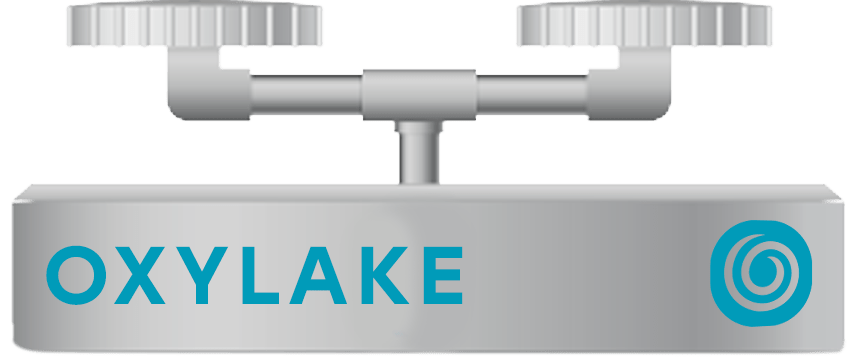
    oxylake

    Oxylake

    Oxygenation solutions for ponds and bodies of water
    Learn more
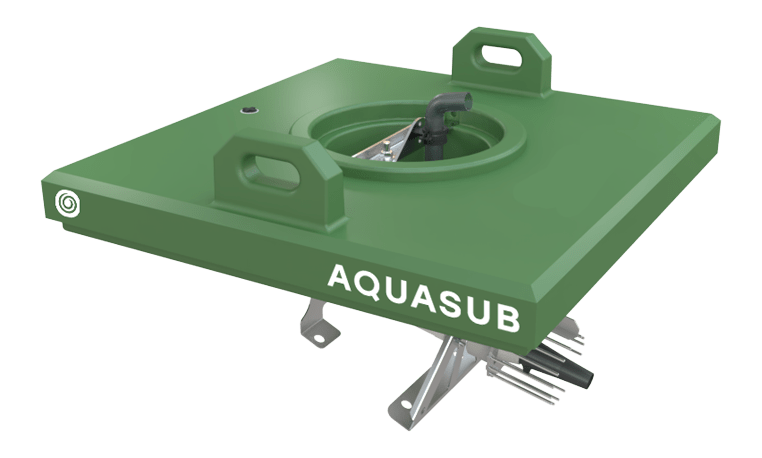
    aquasub

    Aquasub

    The Intensive Mixing Hydro-Ejector
    Learn more
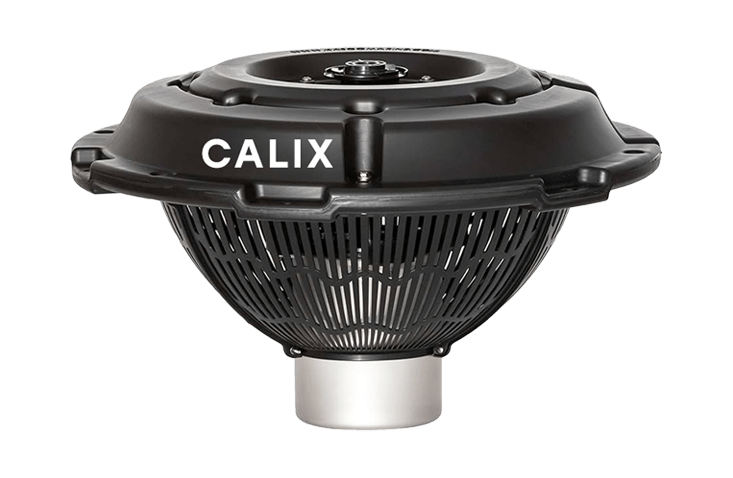
    calix

    Floating fountain

    Visual stimulation & natural oxygenation
    Learn more
    nautex

    Nautex

    the standard mineral treatment for all bodies of water
    Learn more

    Need a study?

    Each protocol is tailored to the initial assessment, the characteristics of the body of water, and its intended uses.

    Request an assessment