
Filamentous algae are among the most difficult types of algal blooms to control without a structured scientific approach.
Request a quote
Be contacted by a TASO counselor
Filamentous algae
Identify the source of the filaments
and permanently stop their spread

What you see
This phenomenon is clearly distinct from green water (phytoplankton):
- You may notice green or brown strands that look like wet wool, hair, or tightly packed cotton.
- First, they cover the bottom, rocks, and banks (benthic stage), then form dense floating clusters that drift with the wind.
- The water between the filaments often remains crystal-clear, unlike microscopic blooms, which cloud the entire volume.
- The clumps feel solid to the touch. They stick to your fingers, are rough, and don’t crumble like mud.
What this means
These organisms are macroscopic multicellular algae (such as Cladophora, Spirogyra, or Mougeotia). They function differently from aquatic plants: they do not have true roots but rather holdfasts that attach to any solid surface.
Their explosion indicates the convergence of three factors (the "Filamentous Triad"):
- Water that is too clear: Light penetrates all the way to the bottom, allowing photosynthesis to occur at the substrate level.
- Fertile sediment: The seabed is rich in phosphorus, providing a direct source of nutrients.
- The Photosynthetic Lift: As they grow, algae produce pure oxygen. These gas bubbles become trapped in the tangle of filaments, acting as natural floats that lift the algae off the bottom and bring it to the surface.
This profile is typical of artificial water bodies, ornamental ponds, and aging, nutrient-rich ecosystems.

Why act now?
Beyond their unsightly appearance, filamentous algae pose a major technical and biological risk:
- System Clogging: This is the number one enemy of irrigation systems. Solid plant matter can clog pumps, saturate filters, and block strainers within a few hours, and may even burn out irrigation motors.
- Biological asphyxiation: Surface scum creates an opaque barrier that deprives beneficial flora of light. Furthermore, its dense texture acts like a net that traps fry and small aquatic organisms.
- Massive Organic Pollution: These algae have a short life cycle. When they die and sink, their decomposition consumes large amounts of oxygen (risk of anoxia) and turns into sludge, accelerating the silting up of the site.
- Exponential Spread: This is the greatest danger. Every piece of algae is a potential cutting capable of recreating an entire colony. An infestation can double in size within two weeks.
The TASO solution
Limit nutrients available to algae and disrupt algal growth by breaking down the filaments
Manual or mechanical removal is often a strategic mistake. By breaking the filaments, you scatter thousands of fragments that will recolonize the environment even more aggressively. Our approach is scientific: we cut off their food supply and disrupt their buoyancy.
Products
& Related Solutions
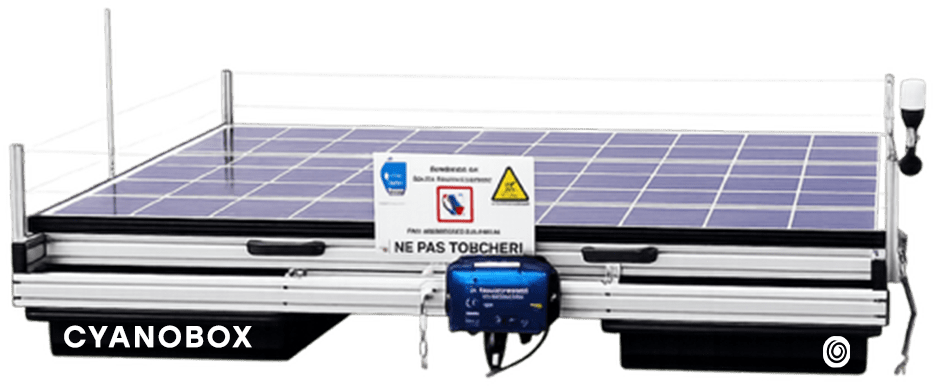
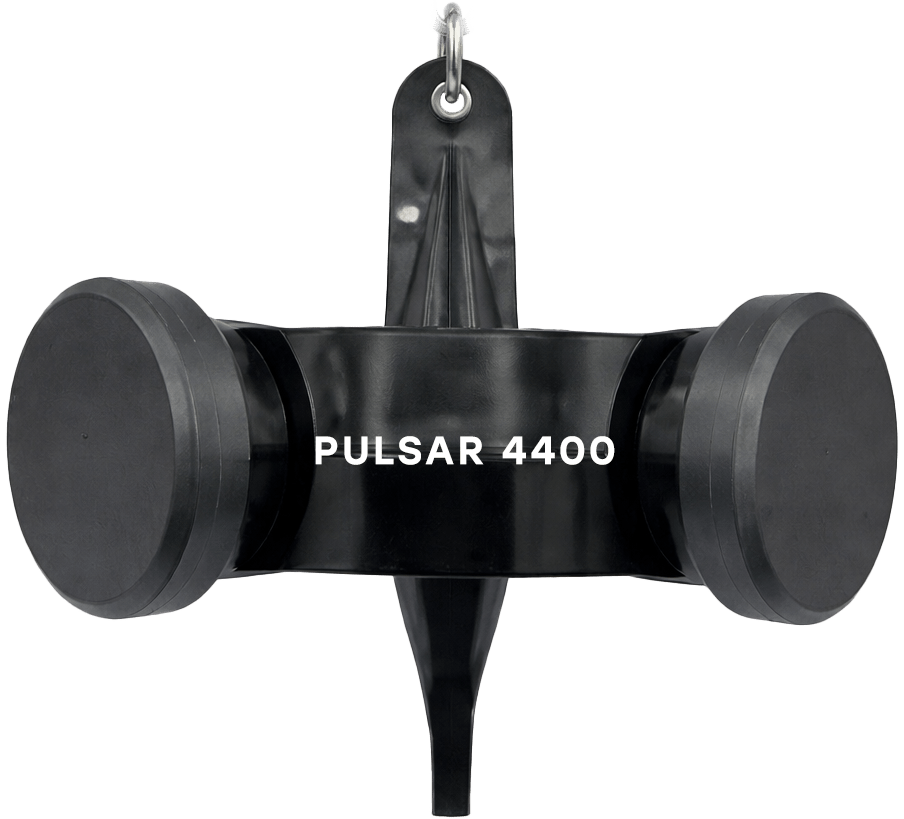
To get rid of string algae without using chemicals:
Need a study?
Each protocol is tailored to the initial assessment, the characteristics of the body of water, and its intended uses.