
Request a quote

Be contacted by a TASO counselor

    I would like to be contacted by:

    Send
    Illustration of green water

    Flow and Pumping Issues

    Pumping flow issues 1 1

    What you see

    Your system is no longer delivering the expected flow rate, or the pumping has become irregular, even though the mechanical components appear to be functioning properly. The most common symptoms are:

    • Gradual drop in flow rate: The flow rate decreases slowly over time, without any visible clogging of the filters to explain it.
    • Abnormal noise: The pump is making concerning noises, such as a metallic rattling sound (like gravel) or an irregular hissing sound.
    • Unexpected shutdowns: The pump "stalls" for no apparent reason, requiring frequent manual bleeding or restarts.
    • System vibrations: The piping is shaking, indicating turbulent and unstable flow inside the pump housing.


    What this means

    When the strainers are clean and the water level is sufficient, the loss of performance is due to the hydrodynamic properties of the fluid itself. A pump is designed to move water, not a complex mixture. TASO identifies three biological phenomena that explain these malfunctions:

    1. Gas Cavitation (Dissolved gases from silt)
      In heavily silted bodies of water, the bottom decomposes in the absence of oxygen and naturally produces methane, CO₂, and H₂S. These gases form fine microbubbles that rise to the surface and are drawn into the pump.
      When these bubbles enter the system, they disrupt water flow and cause flow separation, leading to premature wear of the equipment.
    2. Changes in Viscosity (Organic Load)
      Microscopic algae and suspended colloidal matter thicken the water.
      Note: Water with a high organic load requires more pump power to move, which mechanically reduces the available flow rate.
    3. Bio-Friction (Internal Fouling)
      A bacterial biofilm can form directly on the internal blades of the turbine (impeller).
      Consequences: This deposit alters the impeller’s hydrodynamic profile, increases internal friction, and reduces the overall efficiency of the unit.

    The pump is not the issue; rather, the quality of the water being pumped is no longer suitable for normal industrial operation.

    Pumping flow rate issues 2 1

    Need to confirm the issues with your body of water?

    Contact a TASO expert

    Why act now?

    Unstable pumping is never harmless and indicates an imminent risk of equipment failure:

    • Pump failure: Gas cavitation causes pitting (metal erosion). Within a few months, a cast iron or stainless steel impeller can become perforated, requiring complete replacement of the equipment.
    • Excessive power consumption: A pump operating outside its optimal range to compensate for viscosity wastes energy unnecessarily.
    • Operational safety compromised: Whether in irrigation, industrial processes, or fire suppression systems (sprinkler systems), a pump failure can have critical consequences for operations.

    The TASO solution
    Stabilize the fluid before pumping

    1

    Sediment Degassing (Mineral Action & Aeration)

    We must stop gas production at the source.

    How it works: Nautex oxidizes the bottom sediment and stops fermentation. When combined with bottom aeration (Oxylake), the dissolved gases are released to the surface before being drawn up through the strainer.

    2

    Reduction of organic load (Biological Action)

    We make water flow more smoothly.

    How it works: Biolimpid suspended organic and colloidal matter. This reduces the water’s viscosity, immediately easing the load on the pump.

    3

    Continuous Protection (Ultrasonic Action)

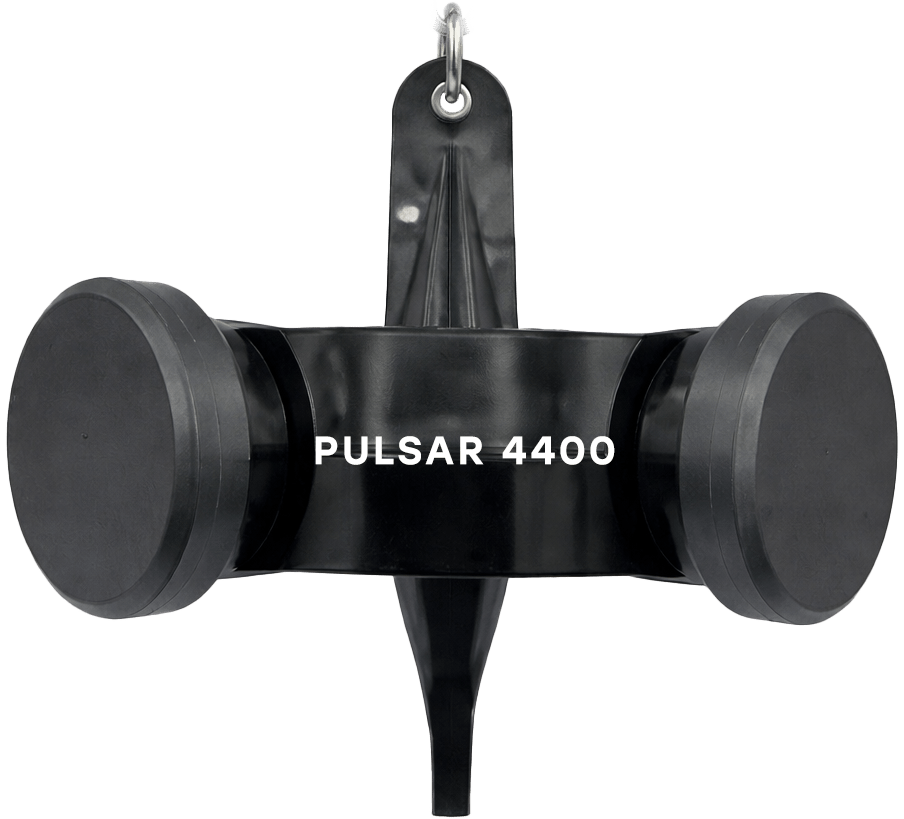
    In sensitive systems, ultrasound prevents the formation of biofouling on the turbine, maintaining consistent hydraulic efficiency over time.


    Products & Related Solutions

    To restore efficient pumping:

    cyanobox

    Cyanobox

    the large-scale standalone solar power station
    Learn more
    Pulsar 4400

    Ultrasons Pulsar 4400

    High-power ultrasound technology.
    Learn more
    biolimpid

    Biolimpid

    Biological sedimentation
    Learn more

    Need a study?

    Each protocol is tailored to the initial assessment, the characteristics of the body of water, and its intended uses.

    Request an assessment