
Request a quote

Be contacted by a TASO counselor

    I would like to be contacted by:

    Send
    Illustration of green water

    Fish mortality

    Understanding the causes of mortality
    and restoring a vital balance

    fish mortality 1 1

    What you see

    The situation is critical and often changes very quickly:

    • Fish are found dead on the surface or on the bottom, sometimes in large numbers within a few hours. The carcasses may show no visible signs of injury.
    • The surviving fish crowd at the surface, mouths wide open, desperately trying to gulp in oxygen from the air.
    • Severe lethargy (the fish do not scatter), erratic swimming on their sides, or gathering at the water inlets.
    • Very pale gills or, conversely, bright red gills; exophthalmos (bulging eyes); or localized skin redness.


    What this means

    In 90% of summer cases, the cause is not a viral disease, but a decline in water quality. The diagnosis generally points to two main scenarios:

    1. L’Anoxie Aiguë (Manque d’Oxygène) : C’est la cause la plus fréquente en été. La température de l’eau monte, la solubilité de l’oxygène chute, et la respiration nocturne des algues ou des vases consomme le peu de réserve restante. Le taux d’oxygène descend sous le « seuil létal » (souvent < 3 mg/L) au petit matin.
    2. Ammonia Poisoning: It’s the invisible killer. If your water’s pH exceeds 8.5 (often in the afternoon), ammonium (which is not very toxic) chemically transforms into ammonia (NH₃), a highly toxic gas that can be fatal. This often happens after a thunderstorm or a failure in the biological filtration system.
    fish mortality 2 1

    Need to confirm the issues with your body of water?

    Contact a TASO expert

    Why act now?

    Death may occur within a few hours.

    Decaying fish exacerbate the crisis, releasing ammonia and pathogenic bacteria, and further destabilizing the environment.

    Activities (fishing, recreation) become impossible, and the remaining wildlife is at risk.
    A mass die-off is almost always a sign of an overburdened ecosystem on the verge of collapse.

    The TASO Response
    Emergency oxygenation & stabilization

    When fish die, a quick response is critical.
    Our goal is to restore oxygen levels and stabilize water chemistry.

    1

    Backup oxygenation (mechanical action)

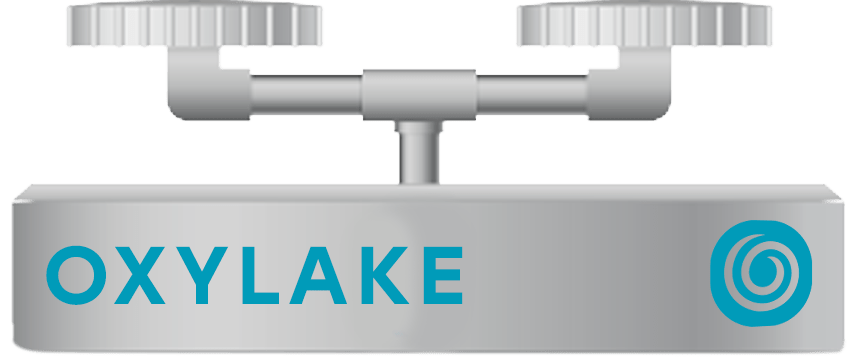
    The top priority is to oxygenate the water. We install OXYLAKE aerators to stop suffocation immediately.

    How it works: They inject air deep into the soil, causing a mechanical "degassing" process that expels volatile toxins (ammonia) into the atmosphere.

    2

    Mineral stabilization

    To stop the contamination, the water chemistry must be stabilized. We apply NAUTEX (pure calcium carbonate).

    How it works: It replenishes the buffer capacity (TAC) to stabilize the pH. This prevents ammonium from turning into deadly ammonia gas. It acts as the chemical antidote in the environment.

    3

    Reduction of organic load

    A fish kill causes massive organic pollution (dead fish, slime).

    How it works: We introduce BIOLIMPID bacteria BIOLIMPID rapidly break down this waste, thereby preventing a second wave of fish deaths caused by water pollution.


    Products & Related Solutions

    nautex

    Nautex

    the standard mineral treatment for all bodies of water
    Learn more
    oxylake

    Oxylake

    Oxygenation solutions for ponds and bodies of water
    Learn more
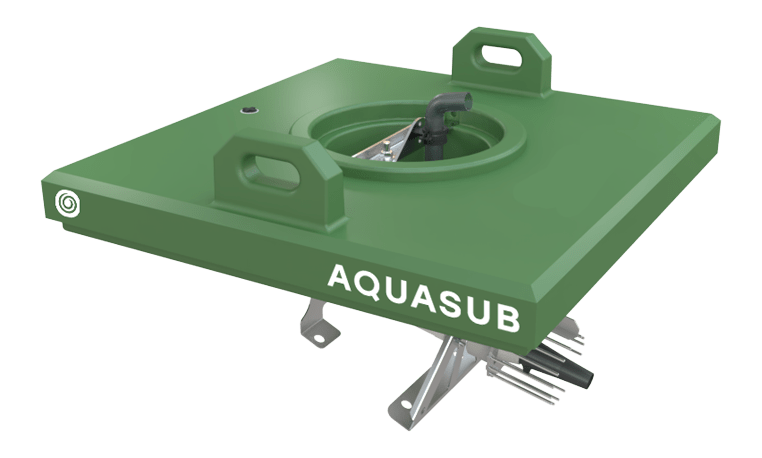
    aquasub

    Aquasub

    The Intensive Mixing Hydro-Ejector
    Learn more

    Need a study?

    Each protocol is tailored to the initial assessment, the characteristics of the body of water, and its intended uses.

    Request an assessment