
Request a quote

Be contacted by a TASO counselor

    I would like to be contacted by:

    Send
    Illustration of green water

    Clogged suction strainers

    clogged suction strainers 1 1

    What you see

    Your water supply is becoming unstable and requires repeated manual adjustments. The signs are immediate and obvious:

    • Frequently clogged strainer: As soon as the pump starts, the strainer quickly becomes clogged with algae, debris, or silt. The flow rate drops, and suction becomes irregular.
    • Low water pressure: Water is having difficulty reaching the system (sprinklers, hydrants), and the pump cycles are getting longer to compensate.
    • Compact organic matter: Every time you clean, you’ll find a dense, sticky mixture consisting of filamentous algae, duckweed, biofilm, and fine aggregated particles.
    • Tripped safety devices: The pump goes into "low water" mode or trips the circuit breaker even though the pool level is completely normal.


    What this means

    A clogged strainer is almost never a mechanical problem or a result of improper strainer sizing. It is a biological indicator revealing an overall imbalance in your water body. In 90% of cases, TASO identifies a clog caused by three major factors:

    1. The “comb” effect of filamentous algae: The strainer acts like a rake. It draws in and traps all the filaments suspended in the water column. They become entangled in the mesh and form a compact mat that instantly blocks the water flow.
    2. Excess floating matter and micro-debris: Duckweed, azolla, water primrose fragments, biofilm, and pollen accumulate on the surface. The suction current creates a “collection zone” (vortex) that concentrates all this floating biomass at the strainer within minutes.
    3. Silt Uplift (Sediments): If the strainer is placed too close to the bottom or in a silted-up area, the pump will stir up soft silt and organic matter. This viscous mixture instantly clogs the filter surface, much faster than sand.

    Conclusion: Repeated clogging indicates an excess of biomass and unstable sediments. Cleaning the screen only addresses the symptom, not the cause.

    clogged suction strainers 2 1

    Need to confirm the issues with your body of water?

    Contact a TASO expert

    Why act now?

    A clogged strainer poses a direct hydraulic and energy risk to operations:

    • Excessive power consumption: A pump that has to work harder to draw water through a clogged strainer will immediately see its amperage increase.
    • Cavitation and premature wear: Restricted suction causes pressure drops, vibrations, and micro-implosions (cavitation) that damage the pump impellers.
    • Operations disrupted: Insufficient water flow, unwatered areas on the golf course (dry patches), or industrial processes shut down.
    • Major maintenance: The burden of daily manual cleaning or diving operations takes a toll on the teams.

    The TASO Solution
    Purify the water and secure the suction area

    TASO addresses the root cause of clogging upstream, before it reaches the strainer.

    1

    Stabilization and clarification (Biological + Mineral)

    We reduce the amount of "substances" in the water.

    How it works: Our specialized bacteria (Biolimpid) break down dissolved organic matter and biofilm. Nautex stabilizes the sediment to prevent it from being sucked up.

    The result: Clearer, less cloudy water, which is much easier to vacuum.

    2

    Control of floating debris and algae (Ultrasound + Optics)

    We prevent traffic jams from forming.

    How it works: Ultrasonic waves prevent the growth of filamentous algae around the water intake. Optical filtration (Bleu Marine) reduces surface blooms (algal blooms).

    The result: Less biomass available in the suction zone.


    Products & Related Solutions

    To ensure the long-term security of your water systems:

    cyanobox

    Cyanobox

    the large-scale standalone solar power station
    Learn more
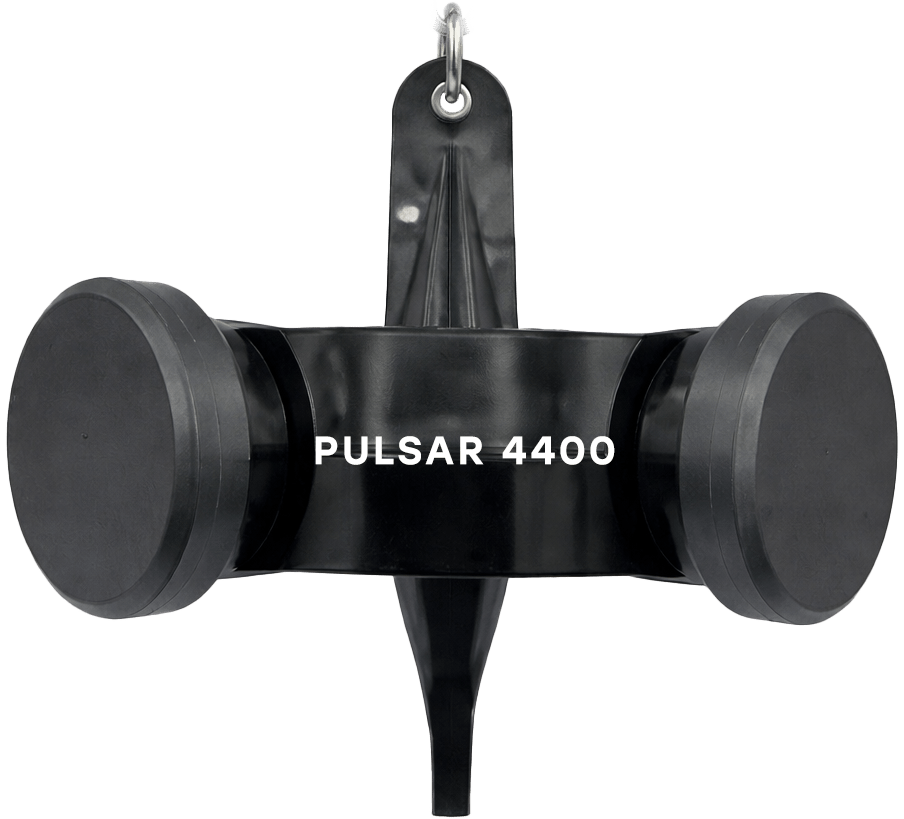
    Pulsar 4400

    Ultrasons Pulsar 4400

    High-power ultrasound technology.
    Learn more
    biolimpid

    Biolimpid

    Biological sedimentation
    Learn more

    Need a study?

    Each protocol is tailored to the initial assessment, the characteristics of the body of water, and its intended uses.

    Request an assessment